



A-Frame Sandwich Boards | Pavement Signs | A Board Signs
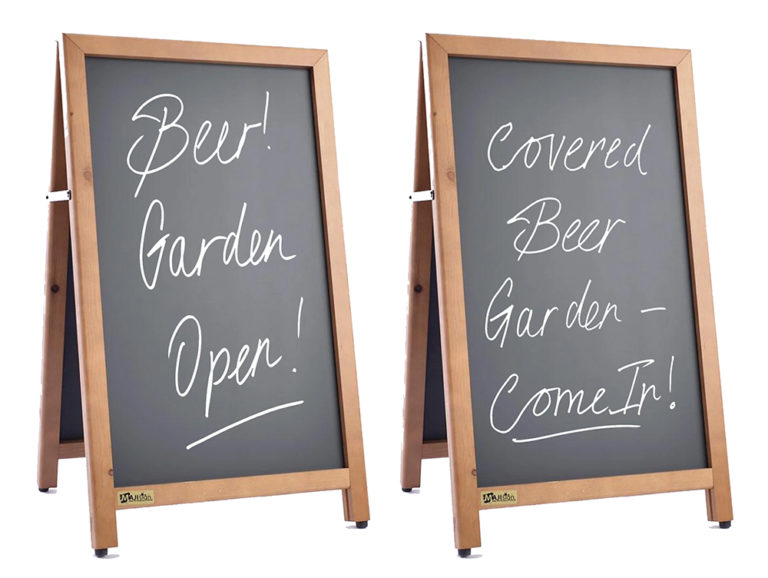

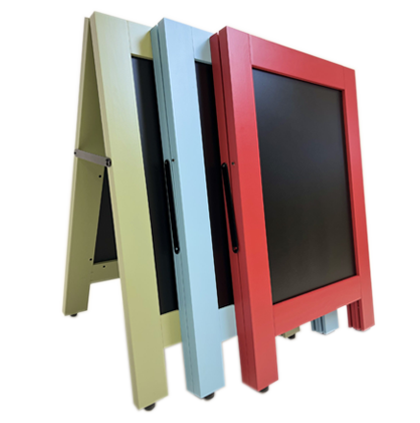
Learn about A-frame signs (also known as A-Boards, Sandwich Boards or Pavements Signs), their uses, choosing a perfect sign for your use case, and more.
Key Takeaways
- A-frame sandwich boards are double-sided, freestanding signs that light up UK pavements, perfect for menus, promotions or wayfinding in high-traffic areas. They’re portable, easy to shuffle along with the traffic and simple to refresh as promotions change.
- Key options to choose from are classic hinged A-frames, wind-resistant swing boards, inventive chalkboards, quick-change poster holders and premium wooden frames. Go with frequency of message updating, your branding style, and exposure to wind and rain.
- A-frame sidewalk signs can boost foot traffic and exposure for cafes, shops, salons and venues, with no big advertising budget. Position them where sightlines are good (e.g. near junctions or train stations), keeping clear paths open for pedestrians and prams.
- Size the board to your backdrop and usage. Choose metal for busy, wet high streets, wood for an upmarket look, and plastic for lightweight, temporary campaigns. Size it for prominence without impeding the footpath.
- Opt for weatherproof features such as UV-safe covers and rust-resistant frames, weigh them down on windy days and consult local authority regulations for positioning, permits, and clearance on walkways.
- Design strikingly and simply for immediate impact. Employ bold colours, legible typefaces, an unmistakable CTA and cohesive branding, and rotate clever or current messaging to entice pedestrians day by day.
A-frame sandwich boards are versatile, double-sided signs that open up into a sturdy A-shape for street and shopfronts. On UK high streets, from Camden to Cardiff, they announce daily specials, signpost footfall and relay instant news. Constructed in wood, aluminium or hard-wearing plastic, they cope with drizzle, wind and crowded pavements. Typical dimensions hover about 600-700mm wide and 900-1,000mm high, legible from a way off. Chalkboard faces work for cafés, while snap frames are good for posters in retail. Hinges lock up nicely and rubber feet prevent slip on wet slabs. Clean lines, punchy type, little text. To reveal true dividends, the following details dimensions, configurations and local regulations that keep trading seamless.
What are A-Frame Sandwich Boards?
A-frame sandwich boards (or A-boards) are double-sided, freestanding signs that sit on pavements hoping to catch the eye of passersby. The frame forms a basic A shape, with panels exhibiting posters, menus, prices or branding on either side. Employed outside stores, cafes, hotels or at venue entrances, they are effective in high footfall locations such as pedestrian areas and travel centres. They’re nimble, too – which is handy when the weather turns or the footfall fluctuates throughout the day.
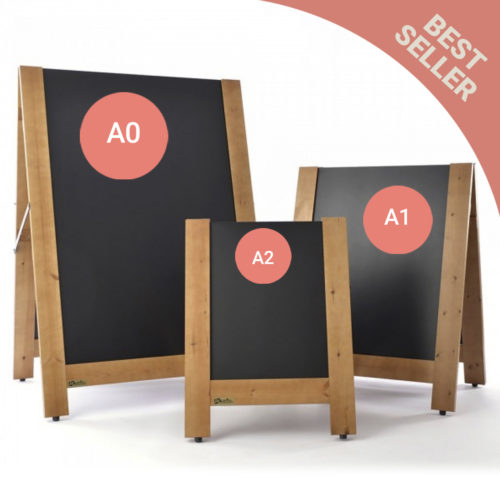
They accommodate posters, chalkboards, and even magnetic covers, so fit short runs and long campaigns. Popular sizes in the UK include A0, A1 and A2, all visible at different viewing distances. Most are aluminium, steel or plastic, which is durable enough for regular use (although strong wind, rain or sun can scuff surfaces, fade inks or loosen fittings). Local regulations can restrict their placement, so consult council pavement and obstruction guidelines.
Main types:
- Classic A-frame
- Swing board
- BlackBoard
- Display board
- Wood frame
1. The Classic A-Frame
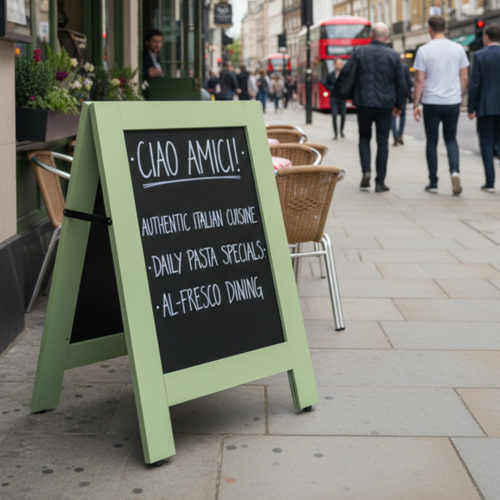
The classic is a hinged fold-flat sign with two display faces that open out into a strong triangle. Shops, cafés, and restaurants use it for daily specials, mid-week promotions, or a fast rebrand for seasonal sales. The angled legs stand solidly on busy pavements and manage door draughts and passing buses better than flat signs. Metal for light weight, plastic for low cost, and wood for a more comforting aesthetic, in A2 through to A0 for larger thoroughfares.
2. The Aluminium Frame Board
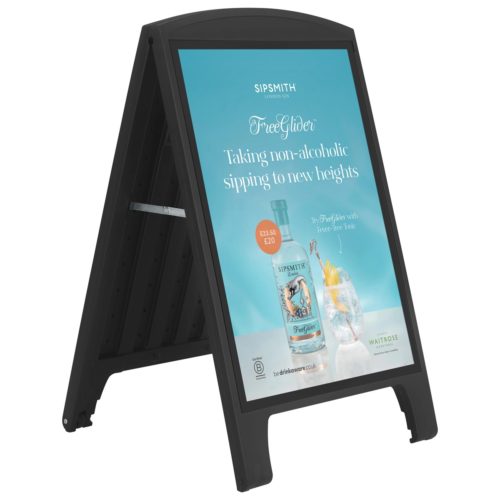
Aluminium boards hold a poster frame within a rigid frame. Printed posters switch over quickly too, which is useful if you have regular promotions or events going on.
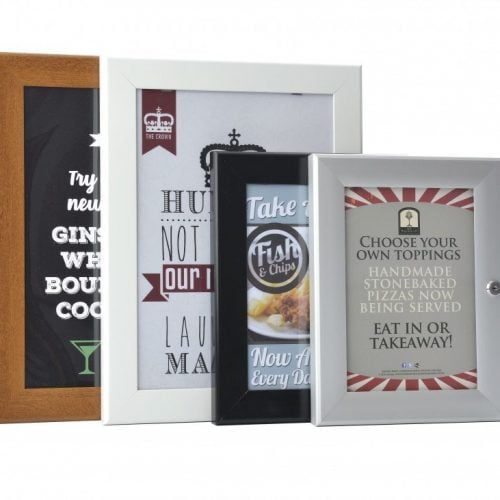
Position your posters and clip them in place using the front opening snap frames on each side and cover with the poster cover sheet.
Available in A1 and A2 sizes, the size relates to size of the poster on each side of the frame; Select either a Black or Silver frame using the drop down menu below.
We recommend using our waterproof posters in these A-boards especially when using this board outside.
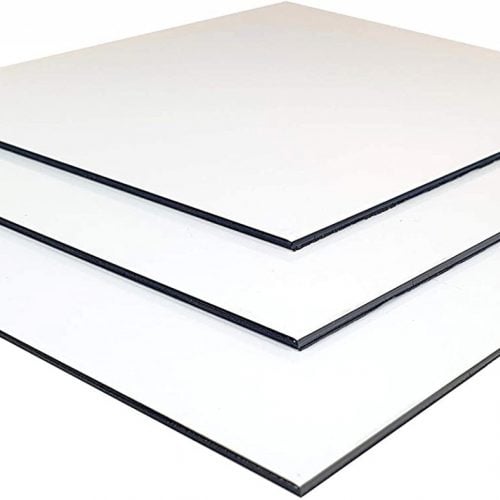
To complement the A-Master A-Board, lockable Aluminium display cases are highly recommended, as well as plain aluminium-faced printed boards, that can be made to your exact size, to fit perfectly within your space.
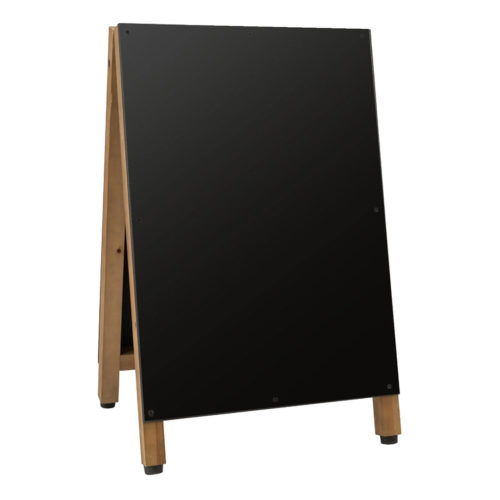
3. The Chalkboard
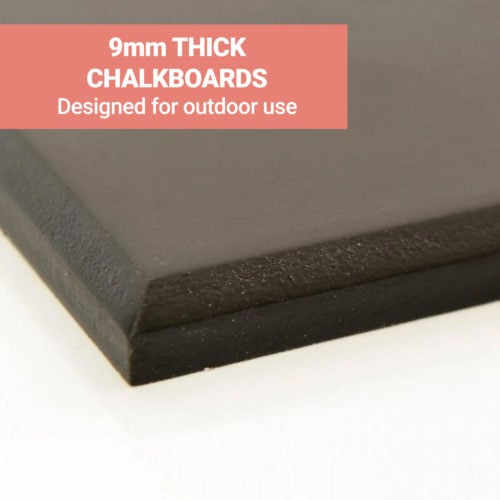
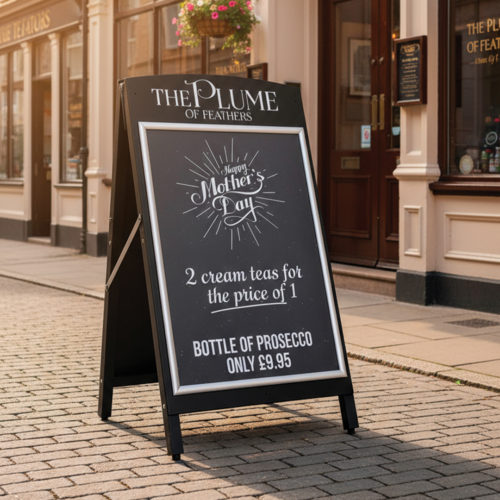
Chalkboard signs allow for handwritten menus, offers and little works of art that feel intimate and humanistic. They’re cheaper because you wipe and write again, perfect for daily updates.
Liquid chalk pens make for bolder lines and greater resistance to showering. Bars, cafés, boutique shops – they all love a homely feel plus a cheeky doodle can turn heads.
Bear in mind, a deluge still smudges, so a sheltered place is a boon.
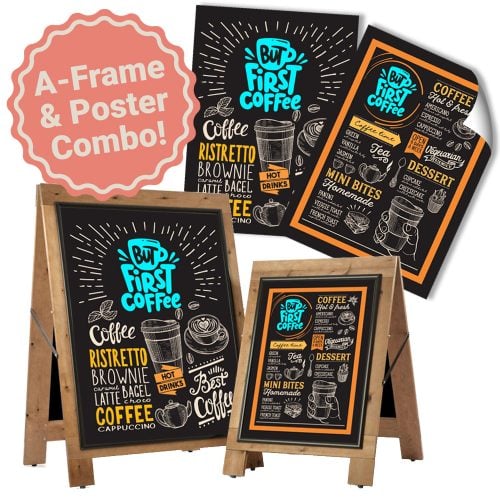
Alternatively, opt for a chalkboard A-Board that can features a poster holder (called a snap frame), maybe just one side, so reap the benefits of a chalkboard and water proof printed posters.
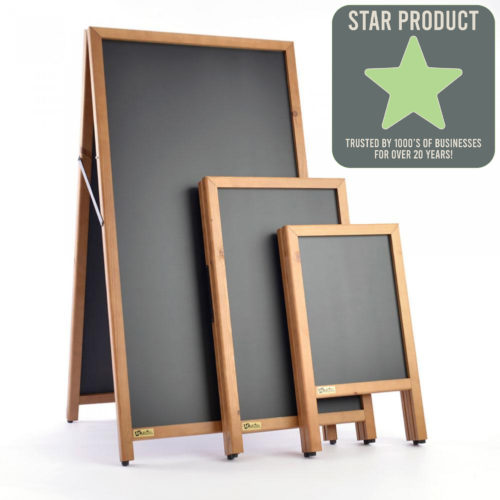
4. The Poster Holder
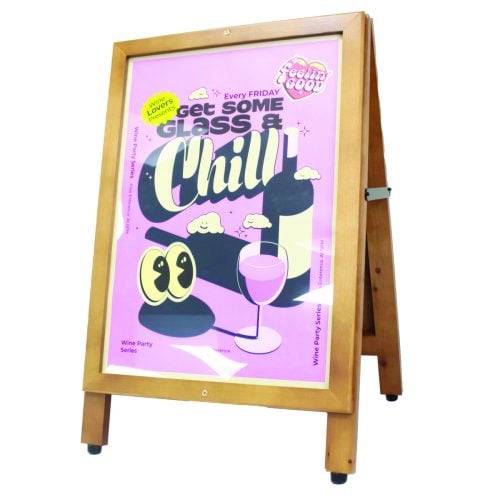
Poster holder A-frames utilise snap frames or clear pockets for rapid media changes. They’re great for promo posters, event lists, or time-sensitive ads where dates change frequently.
Nice features include anti-glare, weatherproof covers combined with waterproof poster printing. For brands with rolling campaigns or rotating artwork, the swap speed keeps streetside messaging in step.
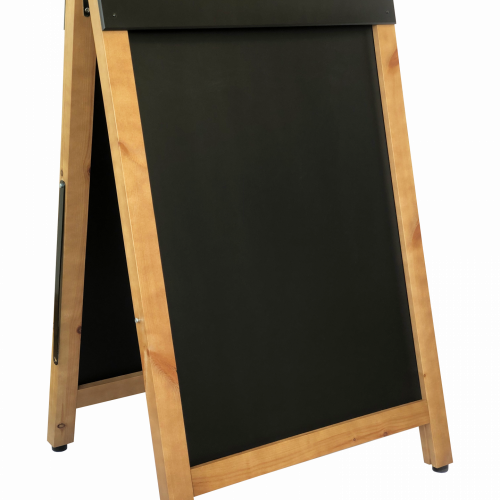
5. The Wooden Frame
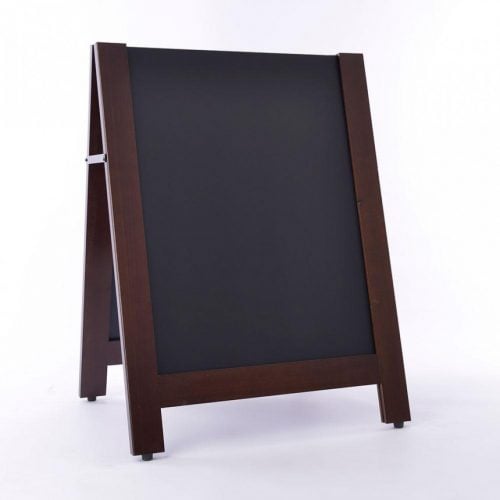
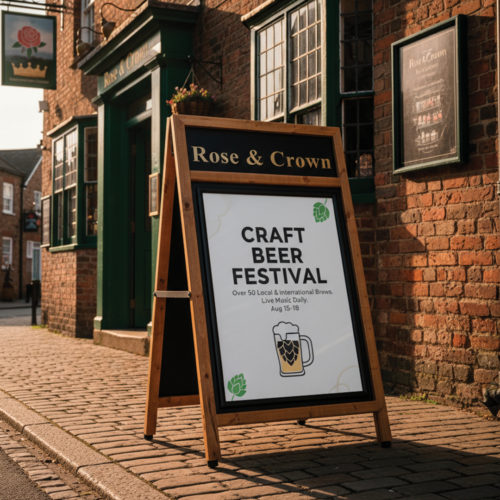
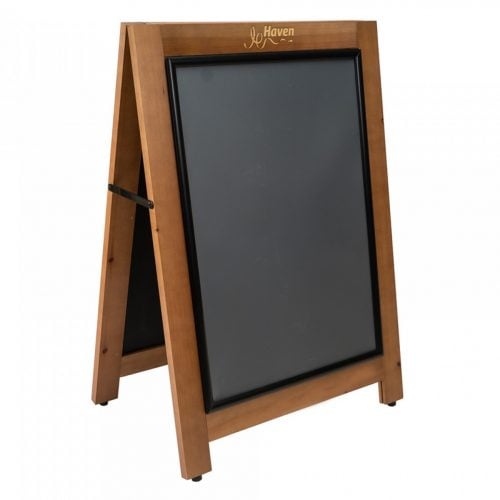
Wooden frames offer a vintage, solid vibe, with hard timber giving weight and a luxury touch for front-of-house. Retail, restaurants and boutiques employ them when style is as important as reach. You can request stained finishes, coloured edges or engraved logos to complement your branding set. Expect to lightly sand and oil from time to time to keep the weather out.
Why Use Pavement Signs?
Pavement signs catch the eye at street level, where decisions are made quickly. A-frame sandwich boards are positioned squarely in the stream of pedestrian movement and attract the eye of people who may not look at a webpage or see a window sticker. Two faces work for you simultaneously, one for each direction of travel, which increases foot traffic and encourages impulse visits. Legibility, colour and an attractive appearance count. Big lettering, strong contrast and one simple message per side win out. Think “Fresh sourdough, still warm” instead of a lengthy list. Position the board at a slight angle with the kerb so it hits the line of sight and keep the path clear. Excellent placement and punchy copy can drive in walk-ins on a regular weekday.
For small businesses, they provide cost-effective exposure. A-frame pavement signs are reusable – you can switch posters or chalk the board up with new copy without new print runs every time. It saves on expense but not on impact. Over the course of a year, a board can promote seasonal menus, January sale prices, spring events or match-day deals, without the expenditure indulging in permanent outdoor media. Most frames are designed for year-round UK weather, featuring water-fill bases or steel frames which can withstand wind and rain. When the storm arrives, you fold and stash it in seconds. Portable, fold-up and easy to carry between doorway and pavement, they’re perfect for pop-ups, markets and bustling high streets.
They increase brand awareness in an organic manner. A clean logo, branding colours, and a brief welcome message to set the mood before a customer walks through the door. Use the double-sided space to split goals: one side for brand and mood, one for a clear call to action like “Book a table” or “Free quote in 5 minutes”. Signs can display sales, menus, wayfinding, event schedules or even public notices such as social distancing when required. They’ve got a good history as well. Traders used pavement boards back in the 19th century, and the format continues to be effective because it ‘meets people where they walk’.
Common uses:
- Daily menu or coffee deal
- Sale or new-in range
- Appointment or booking prompt
- Event signposting
- Click-and-collect pickup point
- Seasonal hours update
- Safety or queue guidance
- Local partnership or charity notice
Choosing Your Perfect Board
Pair the board to your space, footsteps and message. Double-check the pavement width, door clearances and local regulations, as some councils ban A-boards. Consider where it sits – indoors at a foyer, or out in a windy high street – and how frequently you switch offers. A-frames are double-sided, so plan double the messaging or one theme seen both ways.
Material Matters
| Material | Pros | Cons | Best for |
|---|---|---|---|
| Powder-coated metal | Tough, weather‑resistant, stable | Heavier, higher cost | Busy urban pavements, long-term outdoor use |
| Hardwood/softwood | Premium look, warm feel | Needs care | Boutique, cafés, heritage streets |
| Plastic (PVC/HDPE) | Light, low cost, easy to clean | Less rigid, can scuff | Pop‑ups, indoor malls, market days |
| Hybrid (metal frame + panels) | Balanced strength and weight | Mixed price | Mixed indoor/outdoor, seasonal use |
Whilst Majisign provides a variety of standard metal frames, we highly recommend the use of wooden displays, as they’re cost-effective, can incorporate many more display options than other frame types (e.g. chalkboards) and offer brands and businesses far greater possibilities for customisation, colour and personalisation. Wooden frames bring a timeless feel – perfect for a deli or wine bar that needs warmth and texture at the kerb. Plastic and light metals are great when you want lightweight & swift shifts, such as traders at weekend markets or pop up offers; consider not only aluminium framed A-Boards but other produces that we provide such as printed banners and printed pop-up roller displays.
A-frame boards have poster pockets, chalk panels or printed vinyl. Choose according to how frequently you refresh and how you market.
Size & Weight
Popular sizes range from small or mini A-Boards (from A6 upwards), 18” x 24” (approximately an A2 size) to A0 (around 36” x 48”), with large format signage that uses larger 8ft by 4ft (2.4M x 1.2M) sheets. Convert that to your frontage: enough height to catch eyes over parked cars, not so wide it blocks prams.
Heavier boards hold steady in wind, useful on coastal streets, whilst light boards fold quickly, slot into a small spaces or are easily stowed in vehicles.
Checklist for sizing:
- Viewing range: if read from 10–15 m, use larger faces and bold type.
- Message length: short menus suit smaller panels. Tall price lists require more vertical space.
- Pavement flow: leave at least 1.2 m clear for pushchairs and wheelchairs.
- Storage: check folded depth for your back-of-house space.
- Regulations: confirm permitted footprint and placement hours.
Weatherproofing
British weather can be unpredictable, so our products feature a range of high quality components, from sealed poster covers, painted frames and water-resistant panels to robust metal hinges and rubber feet for A-Frame legs. UV protection used within our inks prevents reds from going bleached and brand blues from going washed. Add sandbags or a weighted base in the wind. Remove when storing to protect hinges. Bright colour contrast and simple copy still triumph grey, wet days.
Navigating UK Council Rules
Rules vary by council, but the themes are steady: keep public space safe, clear, and fair for all, and place boards only where they cause no harm. The majority of advice sits under highways, planning and advertising controls, so read the local policy before you buy or print.
Most councils limit the size/footprint on public land. A few impose a 2m maximum width, while others are much smaller, so double-check the local standard. Most only also one freestanding board, and for it to be moveable (i.e. not bolted). It must be rock-solid yet easy to shift back and forth, and not be rotary or able to swivel. Make space for walkers passing two-by-two or wheelchair users and buggies – some councils require a minimum of 1.5m of clear footway (and more on busy streets).
See if you need permission. Some regions require a pavement licence or permission under local A-board schemes. In many areas pop-up boards for events under 28 days don’t require permission, you’ll still need to comply with safety and access regulations. Retain evidence. If you’re trading on private land, get the landlord’s written consent and confirm the boundary. Local authorities are careful with the public highway line, an inch over can set off a warning.
Look out for stricter regulations in city centres. Some councils operate city bans to enhance access and safety, particularly for people with visual impairments, wheelchair users, and families. Some allow local exemptions where pavements are wide, such as in York’s Micklegate area.
Play by the rules “Read your council’s policy, map your boundary, measure it twice, and audit at busy times.
Designing for Impact
Great A-frame design does the heavy lifting on a crowded pavement. Vivid colour, high contrast, and clear type help onlookers catch your message in the blink of an eye. Companies that integrate boards into their brand toolkit enjoy greater recall, more consistent foot traffic and more impulse visits at the entrance. Choose a size that’s appropriate for your pitch—A2 for narrow paths, A1 for most high streets, A0 if you’ve set-back frontage and design artwork for where the board will stand and how people pass by.
Clear Messaging
Keep copy ‘tight’ and black to read from 5-10m One message per side with a single call-to-action works best. Opt for big type on the headline, medium for price or time, and only what’s essential elsewhere.
- Flat white £2.50, today only
- Lunch deal £7.95, 12–3pm
- Last two flats, viewings 5pm–7pm
- New season drop in-store
- This way → 20 yards
- Book online: (your website address / app details here)
Put “hours, a phone number or a short URL” in the bottom third. If it’s time-limited – today only, in season, limited tickets – say so. Boards refresh quickly, so change panels or write details on chalk to keep up.
Brand Consistency
Match colours, fonts and logo lock-up to everything else you ship – menus, window vinyls, Instagram. This gives people one consistent thread from street to till. A tiny style guide assists staff maintain spacing, tone, and icon use tight.
Use A1, A2, A0 templates so art scales nicely. If design isn’t your thing, we can create your artwork for you. Drop your stamp – a signature drawing, border, or tagline – on each board to accumulate memory over time.
A Touch of Wit
A clean swoop or sketch brings people down to the point where they can see you. Cafés rely on food puns, bars on cheeky one-liners, retail on seasonal nods. Consider “Lettuce feed you”, “Ale hail happy hour”, or even just a drawing of a steaming bowl next to “Soup-er warm inside”.
Make it light, not smug, and link the jest to the deal (or route-finding) when you can. Flipping week to week so regulars don’t glaze over. Snappy lines trigger shares and shares, which grow reach without spend.
Beyond the Pavement
Beyond the curb, A-frame sandwich boards pull away indoors as well, directing flow, adding context, and keeping a brand front of mind without fuss. Banners beyond the pavement can attract passers-by at the door and enhance visibility inside, where decisions are taken and issues arise.
Explore additional uses for sandwich boards indoors at events, exhibitions, or retail showrooms.
In a museum-like hall or gallery, the double-sided build glimmers. With one side containing today’s agenda, the other an office plan. In a showroom, a chalkboard side itemises bundle prices, while a printed vinyl face displays a key spec or care tip. At shows, place them by stand edges to swap talks, times and QR Codes. The height is welcoming, and it’s more subtle than a banner. If the acoustics are bad, boards perform the silent labour of wayfinding. The 19th-century roots of these signs, and their revival in the 1930s, remind us why: simple, bold, close to eye level.
Suggest using frame signs for directional signage, registration facilities, or product displays inside premises.
Stand one at a foyer split: “Registration left, cloakroom right.” In busy venues, a run of boards acts like beacons, each with one clear verb: Queue, Collect, Exit. For product spots, lean a frame up the side of a demo table and swap posters each time slot. In retail, boards can reveal new menus, welcome back messages or opening hours, then roll over to a clear sales message. Chalk art adds character, but keep the copy brief, the lines straight, and contrast high.
Highlight the adaptability of sandwich boards for temporary signage during sales or special events.
Sales rise and fall. A-frames adjust by time of day and footfall no drilling or cables. For a weekend promo, put boards up at lift lobbies, stair heads and tasting counters. If the weather does turn, take outdoor units inside – wind and rain shorten life, scuff edges, and risk falls. Local councils have rules governing pavements, so being smart indoors means they remain compliant and avoids clutter complaints.
Recommend leveraging portable board signs for brand exposure at off-site locations or pop-up shops.
For pop-ups, boards travel light and set up in a minute. Use double-sided graphics: one side for core brand, the other for site‑specific offers. On markets, hold edges within your pitch to prevent path-blocking and wrath from stewards. A tidy frame at the gate draws the eye; a second by the till increases add-on sales. Refresh and rotate content throughout the day – keep it fresh and relevant.
Conclusion
To get noticed on a congested street, a-frame sandwich boards do the heavy lifting. Clear copy, audacious type and clean colour do the heavy lifting. Sturdy hinges and a solid base protect it from wind and rain. Simple rules on a rainy Tuesday in Manchester or a sunny Saturday in Brighton.
Smart picks, matching size to footfall and space. For a café attempt chalk on a 600 mm whiteboard with a concise lunch special. For a salon, employ a wipe clean face with a sunny offer and an arrow. Stay inside council guidelines. Pathway clearance. Keep the content new.
To get your started, drop us a line. Share details about your space, your audience and your purpose. We’ll have you nailing the board, and the style.
Frequently Asked Questions
What is an A-frame sandwich board?
An A-frame sandwich board is a folding, double-sided sign. It stands on pavements to lure footfall. Promote deals, menus or wayfinding. It’s portable, stable, and quick to set up. Perfect for shops, cafés, salons, and events.
Are A-frame boards legal on UK pavements?
Yes, but rules differ from council to council. You might need permission or a licence. Maintain clear pedestrian access – usually 1.5 m. Keep clear of trip hazards and clutter. Always check your council’s guidance before putting up a sign.
What size A-frame should I choose?
Size to viewing distance. A1 or A2 is good for high streets. Make sure text is legible at 3–5 m. Think outside your premises (and council) boundaries. Larger boards require more stability and weight.
Which materials are best for durability?
Opt for powder-coated steel or powder-coated aluminium frames for longevity. For inserts, opt for weatherproof PVC or aluminium composite. Chalkboard panels lend themselves to daily alterations. Check for rust-free hinges, solid stays and rubber feet for grip.
How do I design an A-frame for maximum impact?
Less is more. Use a strong headline, one main message and a clear call to action. Bold colours make it easier to read. Inject some branding and directional arrows if required. Readability from afar. Test visibility from across the road.
Can A-frame boards withstand UK weather?
Indeed it could, if specced correctly. Go for weatherproof frames and anti-reflective, waterproof inserts. Utilise Weighted Bases or Sandbags in Windy Conditions. Bring signs in during extreme weather. Routine servicing lengthens lifespan.
Do I need different boards for indoor and outdoor use?
For outside boards, weatherproofing and weight. Indoor boards can be lighter with non-slip feet. If you’d like one board for both, choose a mid-weight aluminium frame with interchangeable inserts and stable feet.
