



Small Blackboard with Wooden Frame – Uses, Materials, Installation and Care
Key Takeaways
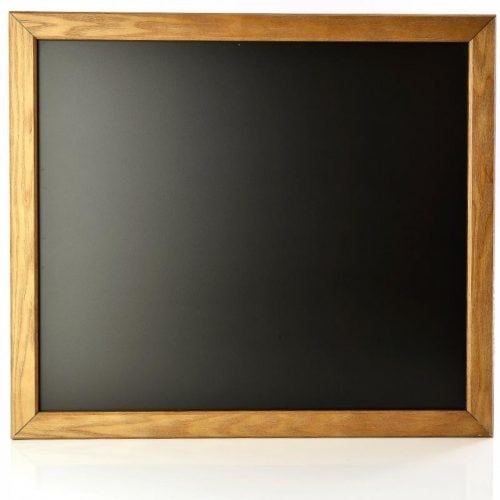
A small blackboard with wooden frame is an adjective-noun-noun, a lightweight chalkboard in a garden of the mind, for messages, menus and rapid proclamations. In the UK, cafés employ it on counters for daily specials, and homes use it in kitchens for lists or kids’ sums. A typical size is approximately 30x20cm, light enough to suspend with a brass hook or rest on a shelf. The wooden frame, usually pine or oak, holds the slate steady and gives a warm appearance that works with rustic or contemporary rooms. For chalk, soft white or dust-free sticks are ideal, plus a damp cloth for cleaning. To assist in choosing the right one, the next section details size, finish, and care with easy suggestions.
- A small blackboard with a wooden frame is something of an all-rounder for UK homes, shops, classrooms and events, combining useful messaging with a homely, ageless appearance. Reuse it every day to reduce paper waste and keep notes, menus and reminders up to date.
- For home organisation, put one in the kitchen for list-making and weekly meals, and another in the hallway for family messages. In kids’ rooms, use it for timetables and creative play instead of scrawling on the walls.
- For shopfront signage on the high street, there’s no better option than a robust framed or A-board for your daily specials and promotions. Keep update messages succinct with chalk or liquid pens and place pavement signs to catch footfall safely and clearly.
- Choose decent materials that endure British weather if external. Seek out FSC-certified wood, silky smooth non-porous chalkboard surfaces, tidy mitred corners and, for the avoidance of ghosting, effortless damp cloth cleaning.
- Size and finish count for legibility and looks. Measure up your space in cm, opt for a viewing size such as A2 or A1, then colour coordinate natural, stained or painted frames with your decor.
- Take your designs to the next level with the proper tools and care Classic or dustless chalks for notes, liquid pens for bold detail, stencils for neat headings, regular cleaning ensure lines stay crisp and smudge-free.
The Versatile Uses of a Small Blackboard
A little blackboard with a wooden frame is perfect for houses, shops and events, as it’s reusable, easily updated and tidy to look at. The wood trim adds warmth, so it functions as both utensil and ornament, from a cottage kitchen to a city café.
1. Home Organisation
In the kitchen, it earns its keep: jot a shopping list, rough out a week’s meals, or add a quick “don’t forget milk”. Erase, rewrite, and move on.
By the door, a framed board lists train times, parcel notes or a school pick‑up schedule. It’s an unassuming nudge you notice once you’re out of the door.
For a home office, block tasks, note deadlines and maintain an orderly to-do without opening another app.
In a child’s room, fix a robust board against the lower wall. Monitor chores, adhere to a bedtime rota, then pass it over for doodling.
2. Creative Expression
A blackboard is an easy outlet: doodles in the morning, a line from a poem at night. Most people write a nice little quote to inspire the room!
Use traditional sticks for soft lines, or chalk markers for bold, bright colour that wipes away with a damp cloth.
Make it a rotating gallery. Draw a poppy in November, holly in December – then wipe it clean for a new beginning.
Try stencils, or even Hand letter It… Practice strokes, test layouts and, indeed, leave the frame on display as a rustic feature.
3. Business Signage
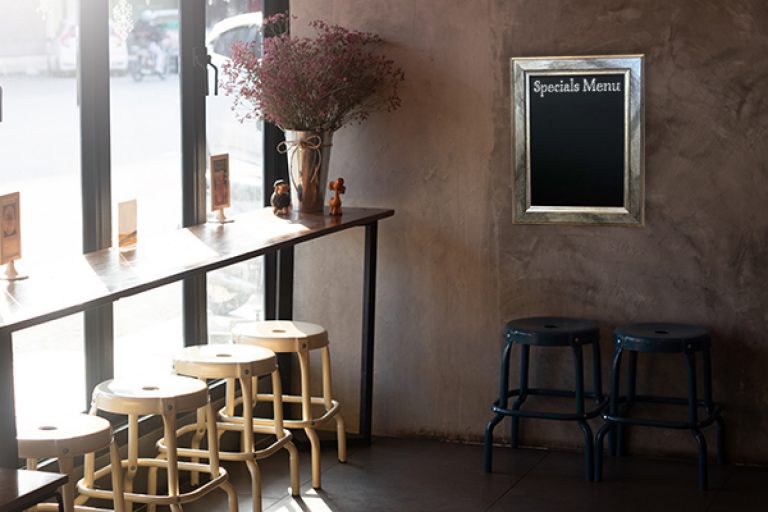
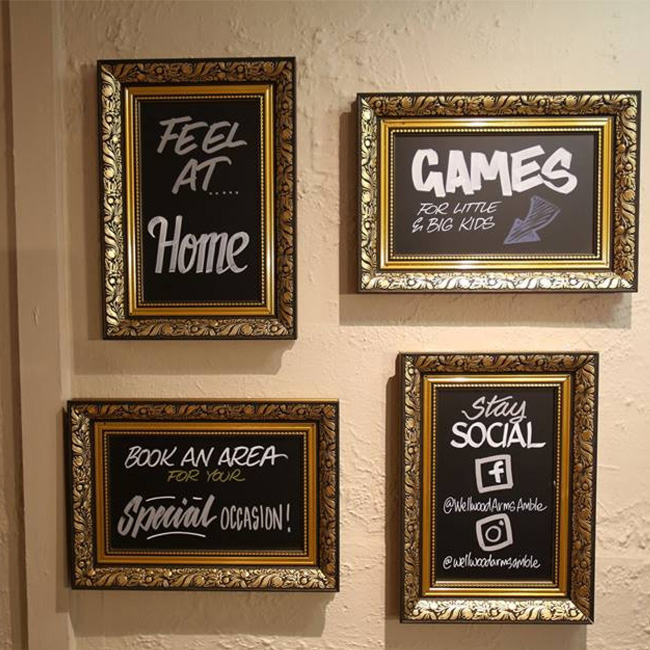
Outside a café or pub a wooden blackboard chalks out the specials, prices for soup. It stands out on a wet high street.
Pavement boards are useful for footfall and for a bit of a teaser promo/event notice. Write up quickly with liquid chalk pens.
For markets and stalls, a petite sandwich board provides prominent prices and brand information, then folds away at close.
They double as place cards at tastings, identifying seats or dish names.
4. Educational Play
At home or in class, a small chalkboard allows students to share solutions and teachers to stick up quick messages or reminders.
It lends itself well to handwriting practice and drawing shapes. It takes daily use too.
Toddlers get a protective, wipe‑clean area for sums and scrips.
(Re-)post word lists or game rules so teams can get involved.
5. Event Styling
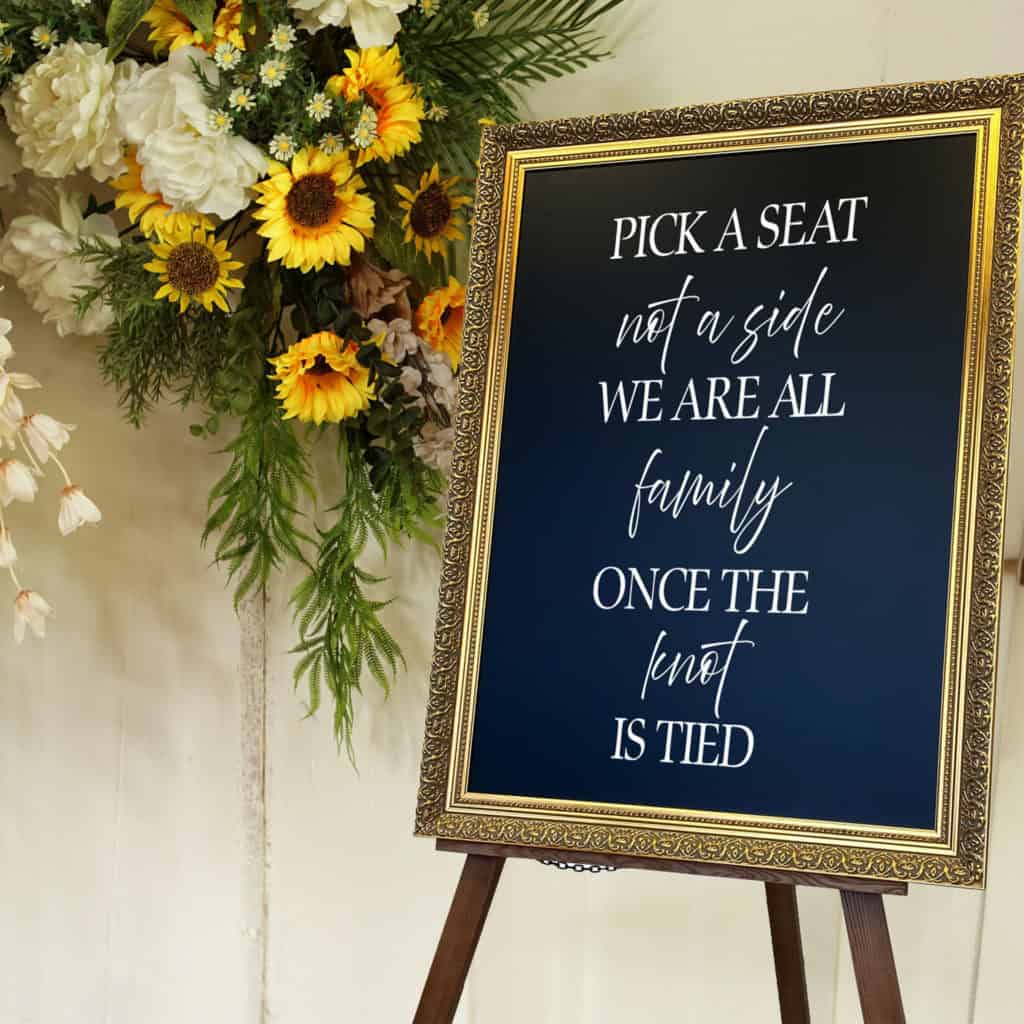
Use chalkboard signs for table numbers, seating plans or a welcome line, with sizes from mini tags to just below A2 for impact.
Drape the frame in ribbon or logo for weddings, parties or exhibitions.
Include arrows for directions, time slots or key notices that may change as the day unfolds.
They work as decor, bringing that rustic warmth indoors or in a garden, and they endure, with solid, long‑wear construction.
Understanding the Craftsmanship
A tiny blackboard with a wooden frame lives and dies on build quality. Materials, joinery and surface finish determine how it looks on your wall and how it works day to day.
The Wooden Frame
Choose frames fashioned from solid woods or sustainable timber for durability and longevity. A 40 mm thick solid wood frame feels steady and resists twist, useful when you’re hanging it on plasterboard or propping it on a shelf. MDF cores or thin veneers can flex. Solid stock takes screws and hooks better and lasts longer in a busy kitchen or café.
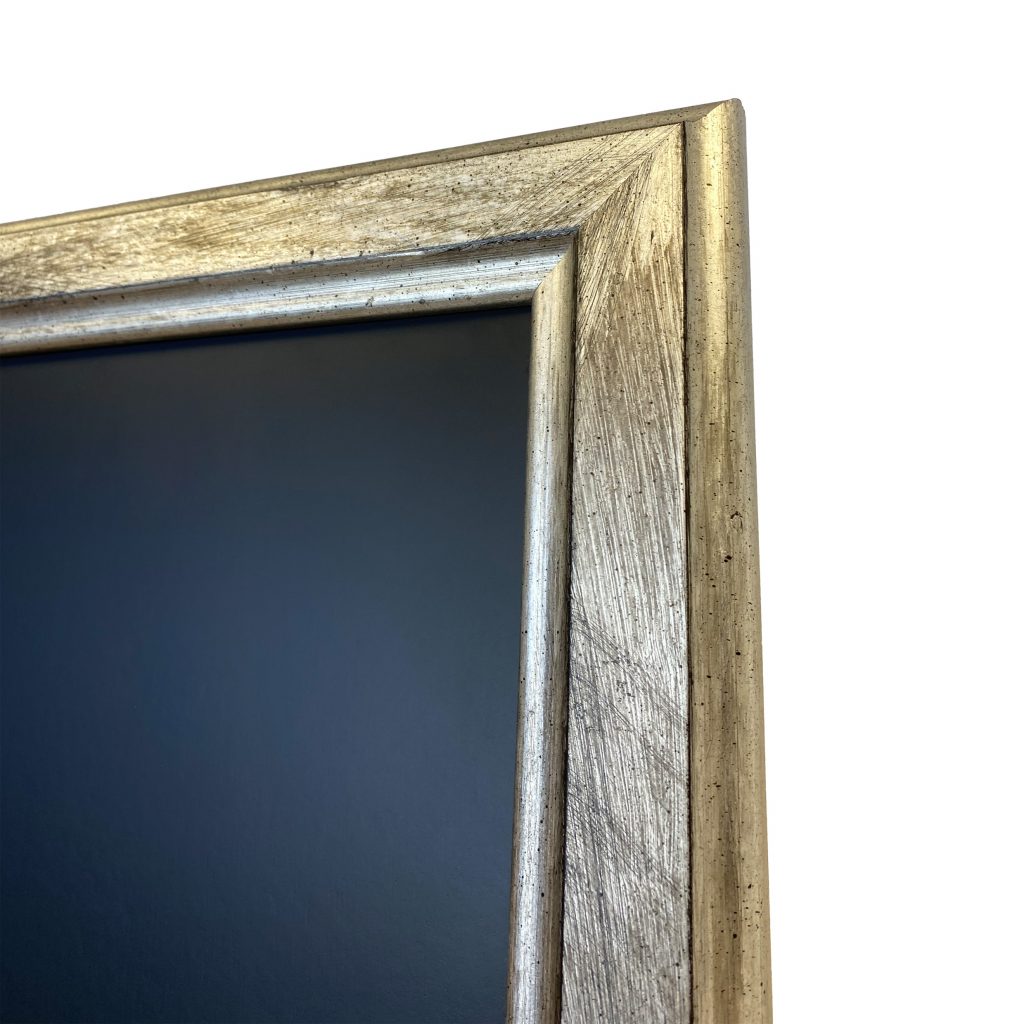
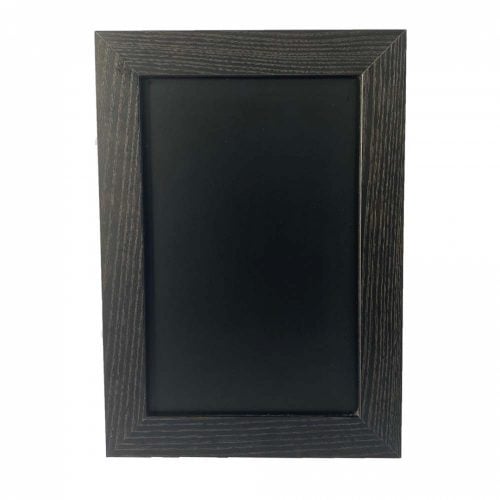
Opt for natural woodgrain, dark oak or painted finishes to suit your decor. Raw grain works with a warm rustic room, while dark oak looks good with brass hooks and rich colours. Painted frames, in off-white or charcoal, create a sharp edge and mask little bumps.
Make sure you have mitred corners and solid construction for stability and a professional look. Keen mitres are a sign of love and finesse, you want crisp 45° joints with no spaces, glued and pinned. It looks tidy, but more than that, it keeps the frame square so the chalk panel is flush.
How heavy or portable is the frame for mounting on a wall or freestanding? A more solid frame is heavier, check fixings, use good wall plugs and mind the load if you swap screens regularly. For market stalls or school fairs, a lighter frame travels well, albeit it’ll mark more quickly.
The Chalk Surface
Choose a smooth, high-grade board surface that won’t scratch or wear out over time, giving you a quality writing area. A 3 mm MDF panel is standard, as it provides a smooth base, but the coating on top is what you’re writing on. Seek out a nice fine, matte finish that doesn’t ghost.
Check that the chalkboard has a surface that’s suitable for both traditional chalk and liquid chalk pens! Plain chalk is easy but some boards smear and are difficult to wipe off day by day. Liquid chalk pens produce a crisp line and a polished appearance, and are cleaner to remove on most finishes.
Check how easy it is to clean with a damp cloth or chalkboard cleaner spray for upkeep. If a duster is leaving haze, test a small corner. If a residue clings, it’s more appropriate for one-time noticeboards than daily menus.
Look for weatherproof qualities if you’re planning to use it outdoors or mount a blackboard outdoors– exterior grade melamine or HPL panels, for example. Indoor MDF-based boards can swell with moisture, HPL fronts hold up to rain and sun more effectively. Size and substance guide both ease and longevity, from hallway messages to café menus. Craftsmanship varies from basic functionality to intricate ornamentation, so match finish to application and preference.
Choosing the Right Board
First, establish where and how you’re going to use the mini blackboard with wooden frame. Spaces shape choices: a tidy hallway note spot, a café menu by the till, a pop-up market sign, or a study nook. Boards range from small tabletop boards to large feature walls, and the ideal board will suit the room and décor, as well as being easy to wipe clean day to day.
- Home: meal plans, reminders, kids’ art; match frame to furniture.
- Business: menus, promos, rotating offers; hard-wearing, easy to clean, visible at a moment’s notice.
- Event: table plans, wayfinding, bar lists; portable and scuff-resistant.
- Educational: lesson notes, drills, sketches; robust surface, steady frame.
Consider Size
- Chart the territory. Wall width, wall height (cm) Take note of skirting, sockets and door swing. Leave at least 5–10cm clearance all round so we have a nice neat fit.
- Test reach and eye-line. For comfy writing position, the centre should be positioned about 140-160cm from the ground. Reduce the mid-point, if kids will be riding it.
- Sidio for readability. If you have to read 2–3m away, allow for taller letters heights and a bigger board.
- If freestanding, measure floor footprint and traffic flow so the base won’t trip people.
Common sizes and uses:
- A3 (29.7 × 42 cm) | desks, small counters
- A2 (42 × 59.4 cm) | Entrance notes, price lists
- A1 (59.4 × 84.1 cm) | café menus, meeting points
- A0 (84.1 × 118.9 cm) | feature walls, events
Select Finish
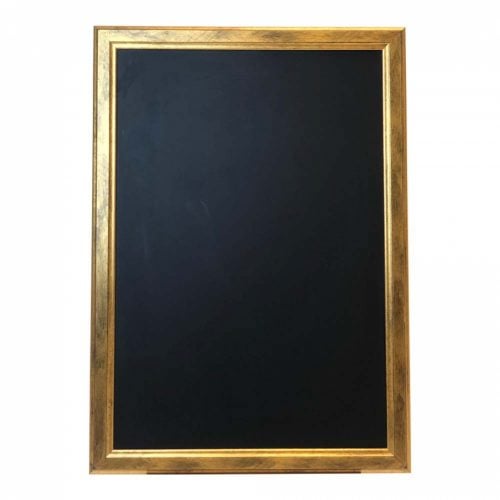
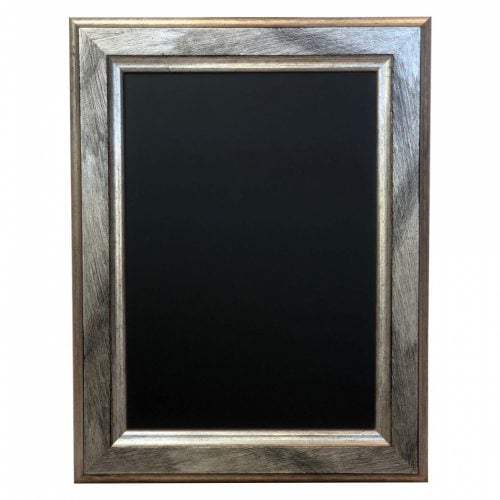
Natural oak or beech frames feel warm and timeless, sit comfortably in British farmhouse kitchens, and look nice in cosy cafés. They’re heavier, can catch dings, but age with character if treated well.
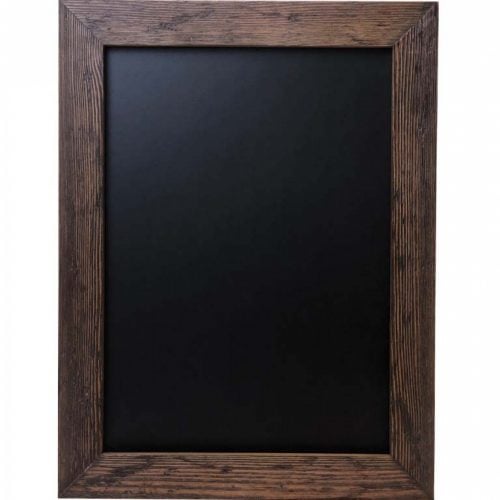
For a closer match, stained walnut can echo darker dining sets, while painted frames (white, charcoal or soft sage) feel at home in modern flats and rental décor. Stick with the skirting colours for frame consistency.
For the writing face, Matt black is striking and crisp. Slate grey is mellower and less dust-revealing. Others go for glass for a modern, ectoplasm-proof vibe, but it alters the appearance. Opt for moisture-sealed finishes – varnish or hardwax oil on wood. Hardwearing coatings on the board – to withstand quotidian wipes.
Assess Quality
Inspect joints for tight mitres, no wobble, and a firm backboard. A solid wood frame should feel solid, not hollow. The surface has to be smooth, non-porous and not ghost. The chalk should slide on and wipe clean with a damp cloth.
Seek FSC-approved timber or well-sourced materials. A durable board that sidesteps annual repainting is the greener option.
Whether it’ll base on a sidewalk or on a school desk test then stability, hinge strength and feet. For heavy use, don’t skimp – buy once, use daily and keep it clean.
The A-Frame Chalkboard Advantage
Two faces means you double your message area with no additional floor space. Portable hinges and lightweight frames fold flat, so it takes seconds to setup for a pop-up promo. Rubber feet and solid timber provide stability in a breeze, and coated panels handle both drizzle and sunlight. Indoor or outdoor, they offer a touchy-feely, green way to share messages, deals or directions, away from cables or displays.
Pavement Appeal
Outside cafes, bakeries and corner shops, an A-frame sits at eye level and is seen before a phone. One can hawk the £6 lunch special. The other can preview tomorrow’s tasting. Two ads. One footprint.
It’s daily changes that are swift. Wipe with a wet cloth, dry, then write again. Ideal for a soup rota, flash sale or click-and-collect code.
For legibility, opt for bold chalk or liquid chalk pens. White for prices, bright line for headers, border for rain days. Most liquid chalk inks are ‘shower-proof’ so your note remains legible through the drizzle.
Put the board where feet slow – by the kerb, next to the queue line, or at the end of a display run. Leave a clear sightline for buggies and wheelchairs. On busier high streets, slide it a pace or two through the day to turn with the current.
A-frames are cheaper than most lightboxes, don’t require power, and can survive for years with dry overnight storage. That makes them a budget, hassle-free and more eco-friendly alternative to screens.
Event Wayfinding
A couple of A-frames keep people moving at weddings, corporate events and street fairs and save staff from having to repeat the same directions all day. Arrows and basic icons handle the lifting, with colour bars sorting strands (blue for talks, green for food, red for first aid). Build a short list: registration, cloakroom, sessions, loos, exits. Provide each point a board, stick them up along with where decisions are made.
Things move around. A hinge and carry handle allow you to lift, pivot and reset in a minute as traffic changes. The wooden A-frame and rubber bases hold them upright on flagstones, hallways or grass.
Garden Notices
Weatherproof A-frames are ideal for plant labels, tool-share rules or “bees at work” signs on community plots. There’s something tactile about chalk notes which invites others to check them out and make their own tiny contributions.
Select boards with UV-stable, sealed surfaces to withstand wet weeks and sunny spells. They shrug off scrapes and last for years.
Attach to a fence rail, lean against a shed, or stake into beds to save soil space. Cheap, low maintenance and widely used in schools, allotments and parks.
Mastering Your Chalk Technique
A tiny wooden-framed blackboard gleams when surface and tools and touch all align. Prep the board first: prime glossy or porous areas, then season the surface by rubbing chalk on its side across the whole board and wiping clean. Fills micro-pores, prevents ghosting, and aids you in drawing smooth lines. Use a firm hold, light-moderate pressure and short strokes that you join. Practice headlined, lucid points and borders. Twist instruments as your note transforms – from a café price increase to a school reminder or a market stall deal.
Chalk Types
Pick the chalk for the job and the location. Regular calcium sticks are good for snappy notes and lesson points. Coloured sticks raise menus, wayfinding and week plans – particularly on A4 to A3 boards in hallways or shops.
- Traditional calcium stick chalk – everyday writing, easy to clean off, matte coating
- Dustless chalk – cleaner to use, ideal for indoor counters and classrooms
- Coloured chalk – highlights, drop shadows, icons, and themed displays
Swap types as necessary. Use white for base text, then colours for accents and borders. Test on offcuts or the back of the board to see smudge and fade. Maintain slow strokes, at a gentle pressure. If lines skip, re-season the board or change brand.
Liquid Pens
Liquid chalk pens provide strong, clear edges on non-porous boards and sealed slates. Choose wet-wipe types for quick switches, eg specials du jour or timetable slots. Test in the corner to see if the board is sealed – unsealed wood or slate can stain.
Use fine tips for small serif fonts and icons, and broad tips for headers and price tags. Layer colours after each coat dries to prevent drag. For clean resets, wipe with a damp microfibre cloth. For ghosting, a light pass with a magic eraser does the trick. Pens should be capped and stored flat.
Creative Tools
- Stencils: block letters for headlines, arrows for flow, and motif sets for seasons. Hold with low-tack tape and fill from the edge in light passes.
- Rulers and set squares: straight baselines, margin guides at 10–15 mm, and tidy grids for meal plans or rota slots.
- Fine line pens: filigree borders, drop shadows, and tiny flourishes. Trace lightly in chalk first, then ink with liquid pen.
Use magnets on magnetic boards to clip notes, QR codes or promo cards. Mix chalk, fine-liners and mini stickers for depth, but maintain breathing space around text. Wipe the board down regularly, so your lines remain sharp and smudge-free. Practise on spare slate, painted MDF or card to get control. Chalk work is soothing and almost zen-like. The more you chalk, the truer your hand.
A Sustainable and Mindful Choice
A minimalist blackboard and pine timber frame blends seamlessly with a slower, more considered approach to living and working. It’s basic equipment that aids in reducing waste, saving cash and restoring calm focus to everyday activities.
Opt for boards made from sustainable wood and eco-friendly materials for environmental responsibility.
Opt for frames in FSC-certified timber or reclaimed wood. Reclaimed oak or pine borne a lived grain that adds warmth while reducing demand for new timber. Plant-based blackboard paint and natural wax finish keep VOCs to a minimum and the surface robust. Wood and slate are even lighter on the planet than plastic or metal, and at end of life they decompose more readily. In a studio, a reclaimed-wood frame transmutes a simple wall note into quiet craft, while remaining functional.
Choose reusable chalkboards over disposable signage to reduce waste and save costs.
A chalkboard pays itself back quickly. One board can take the place of piles of A4 print-outs, flip-chart pads, and disposable posters. Scratch, erase and scratch out again. In cafés, daily menus can be changed in seconds with no new paper. At home, a weekly menu on a 40 × 60 cm board decapitates paper lists. Schools and clubs get a cheap, low-tech means to circulate rotas and drills, with not a drop of ink, toner or batteries to throw away.
Support brands and suppliers committed to ethical sourcing and responsible manufacturing.
Look for clear sourcing notes: FSC marks, local joinery, and traceable finishes. Question where the wood came from, how the slate or board was made and if offcuts are reused. Hand-sanding makers, water-based paint users and paper-packing purists tend to demonstrate that care throughout their catalogue. Purchasing from these suppliers supports fairer labour and improved forest management.
Promote the long-term value and versatility of chalkboards as a conscious investment for home or business.
A little board is a stealth-multitasker. It directs team stand-ups, facilitates mindful sketching, nudges for slow, hands-on contemplation. The touch of chalk on a matte board is grounding. It keeps brainstorms human and lucid. Utilise it for mapping a project, phonics instruction at the kitchen workstation, or a shop’s welcome note. Less screen time equals less e-waste long me. One object, multiple purposes and years of use.
Conclusion
A little wooden-framed blackboard is working for its supper. It works at a café counter in Soho, a market stall in Camden or a hectic Leeds family kitchen. Notes protrude. Prices remain unfazed. Plans seem tidy. Give it a quick wipe and day reset.
For it to endure select a strong frame, closely fitted joints, and a finely finished slate skin. Use soft chalk for precise lines. Use a skinny stick for fine notes or chunky chalk for bold deals. Always have another cloth in your apron. Job done.
Fewer throwaway signs = less waste!” One blackboard, many uses. Plain and clever.
So are you ready to give it a try? Pick up a little wood-frame nature blackboard, chalk-dash your message, watch people pause and grin.
Frequently Asked Questions
What size small blackboard works best for home or café use in the UK?
A4 to A3 sizes should cover most bases. A4 is perfect for kitchen notes. A3 for menus and promos. For pavement, a small A-frame around 60–80 cm tall is perfect. Opt for a smooth chalkboard surface and weatherproof sealed wood frame.
Which wood frame is best for a small blackboard?
Hardwoods such as oak or beech are durable and they last. Pine is less heavy and more cost-effective, though. Choose frames that are sealed or varnished to repel moisture, particularly if positioned near doors, windows or outdoors on British drizzly days.
How do I clean and maintain a wooden-framed chalkboard?
Wipe daily with a dry microfibre cloth. For deep cleans, a damp cloth with mild soap then dried straight away. Steer clear of toxic chemicals. Season” new boards with chalk dust before first use. Re-oil or re-seal wooden frames annually to avoid warping.
What’s the advantage of an A-frame chalkboard?
It’s small, stable and easily seen from both directions. Ideal for daily specials, wayfinding or pop-up markets. It folds flat for storage. Opt for rubber feet and a weather-resistant coating for UK pavements and sudden showers.
Can I use liquid chalk markers on a small blackboard?
Yes, if it’s a non-porous/sealed surface. Give a corner a try first. Wipe away with a damp cloth. For porous boards resist the urge to use dust-free chalks to avoid ghosting. Always check the manufacturer’s recommendations before applying markers.
How do I get crisp, readable lettering?
Season the board, use sharpened chalk or fine-tip liquid markers, and sketch light guidelines. Keep strokes steady and consistent. Contrast is key: white or bold colours on a clean, matte-black surface. Stand back often to check spacing and legibility.
Is a small wooden-framed blackboard an eco-friendly choice?
Typically, yes! It’s reusable, plastic-free and cuts down on paper waste. Opt for FSC approved wood and water-based finishes. Fix, reseal, and reuse for years… It makes wood recyclable/repurposable at end of life and its board surfaces are frequently refinishable too. Check out our page on a Small Blackboard with a Wooden Frame.
