



Weatherproof Outdoor Chalkboard Signs
Outdoor chalkboard signs are reusable boards for streets and shop fronts that display daily offers, wayfinding and tone of brand with rapid hand-written updates. We see them used all over UK high streets, they’re perfect for pubs, cafés, salons and pop-ups that need quick changes when the weather turns. Constructed with water-resistant frames, non-porous surfaces and ghosting-free chalk pens and chalkboard paints, they cope with drizzle and are hard wearing to deal with busy streets and foot traffic. To choose the ideal board consider size, weight, stability and local council regulations for pavement displays.
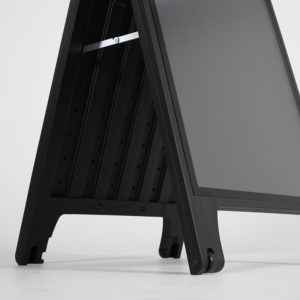
Key Takeaways
- Opt for weatherproof and built for British conditions and go for exterior MDF chalkboards, pressure laminate panels, powder-coated or timber frames, and corrosion-proof fixings, for great performance from high street to garden centres. Test stability with weighted bases or ground stakes to tame the gusts prevalent in narrow streets, coastal towns and exposed areas such as moorland.
- Extend lifetime with tough, double sided boards and shielded writing surfaces that prevent warp, scratches and UV fade. Seasonal maintenance like pre-winter lacquer, post-storm checks and changing position to balance sun and rain exposure.
- Save money with reusable, wipeable panels for daily specials or reversible pavement signs for versatile messaging. Source competitively priced options and bulk discounts from UK suppliers such as www.majisign.co.uk to standardise signage across multiple sites.
- Maximise effect with high contrast, good hierarchy and legible letterforms sized for average pavement reading distances. Use liquid chalk pens for bold, weather-resistant writing and check the visibility in direct sun and gloomy light before finalising designs.
- Contextualise placement by using double sided A-boards on city pavements according to council regulations, staked signs for rural verges and portable tabletop boards at events. Directional prompts to steer customers towards doors, counters, or focuses of interest
- Look for sustainable materials such as FSC-certified wood and recycled plastic, use GREENGUARD-certified products if you can (seen in Majisign’s posters and banners), and keep panels dry to reduce waste. Take care with soft cloths and specialist cleaner – steer clear of abrasives that can ghost and ruin the finish.
In this article:
- Why Choose Weatherproof Chalkboards?
- Mastering the British Elements
- Designing for Maximum Impact
- Strategic Placement for Footfall
- The Art of Maintenance
- Beyond the Standard A-Board
- Conclusion
- Frequently Asked Questions
Why Choose Weatherproof Chalkboards?
Designed for our often unpredictable British weather, weatherproof chalkboards protect your text and drawings from rain, wind and the brightest sun, meaning your messages remain readable on bustling high streets or tranquil garden centres. Boards are particularly suited to pubs, cafés, restaurants, hotels and shop fronts that require durable, easily-changeable signage day to day.
1. Weather Resistance
Our chalkboard panels naturally shed water, so the surface won’t swell and peel following a downpour. The finish resists UV fade that dulls cheap boards. Powder-coated aluminium frames provide a tough barrier to rust, while Majisign high-quality wooden pavement signs repel rain and regular wiping.
Opt for boards rated for rainy loads and blustery days, seek sealed edges, unwarped, rigid cores and weather-resistant paints. Seal in corrosion resistance with stainless or brass hinges, zinc-plated fixings and closed-end caps that prevent moisture entering at joints.
Liquid chalk pens rainproof in approximately an hour (great for those surprise downpours), and their durable finish prevents smudging meaning lunch specials remain visible until the afternoon.
2. Lasting Durability
Wooden frames, or timber substitutes such as composite wood, provide the heft and strength that can withstand life’s daily pavement migrations. Double-sided boards double your messaging space and halve handling, meaning wear on panels and hinges is reduced over time.
A smooth writing surface won’t dent or scratch, keeping your strokes sharp. Protective pigments or a satin lacquer retain pigment and sheen, even with glaring sun on south-facing shopfronts.
3. Cost-Effectiveness
Wipe-able panels reduce print runs and design work, perfect for specials, popup promos or ever-changing event QR codes. Reversible pavement signs allow you to rotate to a morning/evening menu with a single board.
Buy at competitive prices and use bulk discounts at www.majisign.co.uk for rollouts across multiple sites. Tough garden chalkboard stakes and robust A-frames reduce replacement cost over a season.
4. Creative Freedom
Boards accept chalk sticks, liquid pens and fine-tip markers, so you can transition from striking headings to minute pricing without ghosting. Logos, line art or custom sizes to fit fascias and terraces.
Choose wood stains (oak or walnut) or painted frames to match brand tone. With removable panels and swap-out inserts, teams can rebuild a window scheme in minutes.
5. Eco-Friendliness
Opt for FSC-certified wood or recycled plastic to reduce impact at source. Reusable boards are a sustainable alternative to single-use posters and reduce waste and the emissions of repeat print jobs.
Our printed posters and banners use GREENGUARD-certified products to promote better air quality in covered atriums, homes and schools. Opt for minimal packaging and recyclable parts to close the loop.
Mastering the British Elements
Street board signs have to withstand wind, rain, sun and rapid change. Choose pavement signs with rubber bases or water-fill frames for ballast, seal the surfaces against rain, and pick high-contrast panels for readability. Keep designs flexible with detachable panels and portable frames that shift as the street evolves.
Taming the Wind
Heavy-duty pavement bases, 15–25 kg (when filled) defy gusts on coastal high streets and exposed pavements. In windy locations such as seafronts or bridge approaches, put down ground pegs if the substrate permits, or sound discreet sandbags across base legs.
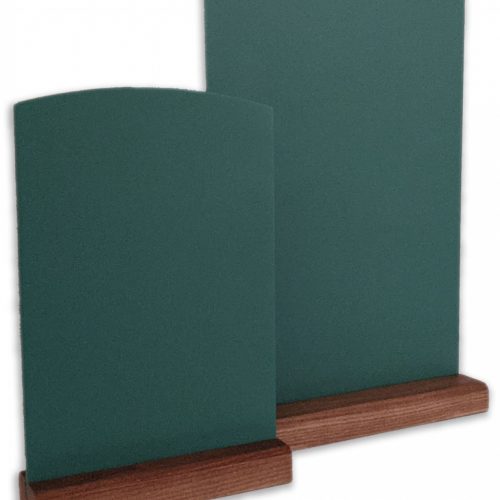
Café-style tabletop boards or staked garden blackboards do for courtyards, pub gardens and recessed doorways. They are tucked away behind planters or benches, where the wind dies down and the message clarity increases.
Go for frames with strengthened mitred joints, steel hinges and locking stays. Cheap pine frames warp. Hardwood or powder-coated aluminium remains square, which prevents wobble. Position signs behind bollards, railings or close to building lines to interrupt wind flow and diminish lift. That little move saves redraws and repairs.
Beating the Rain
Use water-proof-edged boards with sealed factory edges and marine laminated material. This prevents swell and ghosting. Overhanging frames or acetate poster covers dispel drips, handy when you’re on narrow footpaths and splashback is widespread.
Rain smudges happen. Having a chalkboard cleaner spray and damp microfibre cloth handy by the door helps. Wipe in straight passes, then dry to avoid streaks. Storm rolls in, lift out removable panels, stash in the house – a two-minute swap prolongs life by months. Season a new board first: rub side-on chalk across the surface, wipe clean, then write. Fills pores, helps wipe-off later.
Conquering the Sun
Choose blackboard or dark-green finishes with UV-resistant coatings to limit fade on southerly elevations. Bold, high-contrast colours read best: white, canary yellow, or neon pink with thick liquid chalk pens. Waterproof, wipeable pens are essential for durability – some require a shake and a prime, so let them rest before the first stroke. – Change out signs weekly to balance exposure and maintain tones on mixed A-frames.
- Employ matte, low-glare panels to eliminate reflections mid-day.
- 6-15mm chisel nibs for headlines you can spot from 10-15m away.
- Sketch out your layout on paper first to plan spacing and hierarchy.
- Shade placement with awnings or parasols where permitted.
Chalkboards have been a staple of education and commerce, evolving from slate to composites, while green boards appeared in the 1960s as a gentler, more legible alternative. Nowadays boards fit restaurants, houses and schools for menus, messages and thoughts, and a durable surface with liquid chalk pens makes changes quick and tidy.
Designing for Maximum Impact
Outdoor chalkboard signs take your message to passers-by in seconds, so design decisions should favour fast scan, high contrast and clear hierarchy. Short copy, big type and pavement-ready materials that’ll stand up to the elements as you chase down the horizon.
Legibility
Huge, shouty words are imperative. Aim for headlines of 50–75 mm high for kerbside reads. Subtext no less than 20-30mm. Keep copy tight: a single short sentence or 6–8 words lands fast and avoids crowding.
Outlines can be done with chalk markers or fine line pens, then filled with broader tips for weight and clean edges. They dry quickly, are smudge-proof and leave strokes clean in humid atmospheres. Classic sticks are great for texture, but markers beat them for pinpoint accuracy.
Erase the board before every rewrite. Residue and ghosting obscure legibility, so use a proper chalkboard cleaner or non-abrasive kitchen cleaner, rather than just water. Change worn nibs to prevent frayed strokes.
Test from common sightlines: 2–5 metres for a café frontage, up to 8–10 metres on a high street with fast footfall. Check at eye level – and from an angle.
Contrast
White on deep black is the easiest to read outdoors. Vivid liquid chalks — yellow, teal, magenta — work provided the background remains dark and matte. Steer clear of pale pastels which fade in midday glare or grey sky light.
Set the important phrases in white, then add a subtle drop shadow in grey or a darker shade to raise the text. Keep shadows thin to prevent blur. For headings, strong legible fonts help visibility – for example, sans serif types like Arial or Helvetica, which are minimalist and read well.
Build a mini palette test on a corner: white + black, yellow + black, cyan + black, red + black. Stand back 5m and hold on to just the pairs that pop in your street lighting.
Layout
Break content into a clear stack: headline, 3–4 bullet points, and a tight pricing table if needed. Bullets aid scanning quickly for menus and specials.
Leave a dedicated space for daily deals so updates don’t sprawl. A tight bottom band or right column plays nicely and accelerates weekly revisions.
Employ slim lines, symbols or dividers to split sections without robbing space. Design both portrait (tall pavement A‑frames) and landscape boards to fit doorway width and pedestrian flow.
Personality
Put in tiny hand‑drawn icons – steam from a coffee cup, a slice for pizza, a sprig for brunch. Seasonal motifs maintain its freshness without excessive redraw.
Mirror your brand tone: playful fonts for casual venues, restrained sans‑serifs for a clean look. Unique shapes or logo-ed frames ensure you stand out, but use quality materials that are weather-resistant to keep colour rich.
Have the board set up at eye level if at all possible and back it up weekly. Rotate messages every one to two weeks, and invite staff to pitch ideas. Diversity, minimalist styling, and eye-searing colour palettes draw eyes on the bustling streets of the UK.
Strategic Placement for Footfall
A-frames achieve optimum effectiveness in the line of sight, comply with local regulations, and address the right audience at the right time. Good placement increases footfall, as it halts pedestrians, conveys a clear proposition, and leads them to the entrance.
Urban High Streets
Place signs where people slow down: near bus stops, pedestrian crossings, sandwich lines, ATMs, or the edge of busy shopping zones. Leave a 1.8 m pavement clear wherever possible for access, position the board no more than 0.8 m from the shopfront where necessary, and avoid obstructing tactile paving or pillars. Employ flat colours and minimal text at walking eye-level, as city strollers skim-read.
A double-sided A-frame catches both streams. Tilt it by 10-15 degrees into the path of oncoming footfall, rather than flat to the shopfront. Turn the board a few metres into your frontage twice a week to minimise banner blindness, and experiment with morning against late-afternoon positions that face commuting streams. Show time-restricted messages such as “Lunch deal 12–2pm” or “Fresh beans in today” to drive same day action.
Adhere to council height and width rules (generally speaking about 1200 mm tall and 750 mm wide). Log day-to-day with a simple count in-store or door sensor so you can correlate sign location to uplift, then hold the top two positions and drop the others.
Rural Settings
Put staked chalkboards for verges at farm shops, garden centres and roadside stalls. They grip in soft ground and sit up above the grass. Rugged wooden frames merge with hedgerows and barns but still require high-contrast text for motorists.
Keep messages short for people in cars: “Pick-your-own today → 300 yds” or “Fresh eggs – car park next left”. Plant the first board far ahead of the horizon (ahead of the turn, obvs.), then a last board on the entrance, with clear sight-lines.
Drive stakes in deep and include inconspicuous ties to withstand the wind. Fit small mesh backs, or position in low fencing to prevent deer or stock knocking them. Test line of sight and shift after harvesting or hedge cuts as perspectives alter.
Event Spaces
Portable A-boards and tabletop chalkboards assist teams to reorganise layouts on the fly as queues build. Employ wayfinding arrows, timetables and zone labels on separate panels to reduce clutter and enable quick updates with a damp cloth.
Brand the frame or header rail with a little logo so it reads as part of the event, not an aftermarket bolton. Keep boards free from pinch points and 1.8m of passing space on concourses, then swivel between sessions to face new flows.
- A-frame chalkboards: entry prompts, ticket info, queue splits
- Tabletop chalkboards: stall menus, allergen notes, timed offers
- Staked signs: outdoor routes, overflow parking, shuttle directions
- Hanging chalkboards: stage timings, sponsor highlights, quiet zones
The Art of Maintenance
A-boards live or die by love. Routine cleaning, clever pen selection, seasonal inspections, and dry storage keep boards visible, readable, and resilient against British weather.
Seasonal Care
In the UK, moisture is the primary enemy. Seal porous frames and edges pre-autumn with a clear outdoor varnish or chalkboard-safe lacquer (one light coat annually is usually sufficient for café pavements and pub forecourts). Pine can survive outside when well-finished, and fibre-cement sheets (like Hardie backer) with exterior paint work for bigger constructions. Vinyl wraps offer design options, but their longevity depends on material quality, installation quality, exposure and maintenance.
While inspecting for moisture entry along cut edges, joints or screw holes after heavy rain or a gale. Look out for bulges, hairline cracks and loose mitres. Cinch fixings and touch up raw spots. Simple measures – predrilling holes, strengthening with screws and putty, repainting – stop minor defects from developing.
This is where rotation comes in. Shift A-boards from sun to shade to equalise UV exposure, and turn faces weekly in busy high streets. Store surplus boards standing up in a dry, ventilated place. Never flat on wet floors. A DIY example that looked new after a year outside proves longevity can be achieved, but upkeep retains both looks and usability across multiple seasons.
- Spring: wash, re-seal edges, refresh paint, replace cracked seals
- Summer: check UV fade, rotate locations, clean dust weekly
- Autumn: apply lacquer, tighten fixings, raise feet off wet ground
- Winter: wipe after rain, dry-store overnight, inspect for frost lift
Proper Cleaning
Employ a soft damp microfibre cloth or specialist chalkboard cleaner spray to lift residue without smudging. Ensure to wipe in straight lines and not in circles, to reduce haloing.
No to scourers, solvents and gritty creams. Abrasives scratch the surface film and lure ghosting.
Wash immediately following rain or heavy use. Puddles combine with chalk binders and create marks, especially on matt paints.
Plan a monthly deep clean for pubs, delis, and high-traffic fronts: cleaner spray, gentle rub, full dry, then a light “seasoning” pass with broad chalk and wipe off. A straightforward care manual helps teams make sure boards don’t go dusty and dull.
Pen Choice
Opt for liquid chalk pens for bright, showerproof marks on sealed boards (allow adequate dry time to minimise ghosting). Old-school chalk sticks are best for quick message switches and chilly mornings.
Always spot-test new pens in a corner for bleed on your finish type. Store pencils, chalk etc in a dry box – humidity makes sticks stick together and pen tips dry.
Beyond the Standard A-Board
Far more than a simple fold-out sign, outdoor chalkboards can be customised to meet brand objectives, site restrictions and day-to-day trade. The aim is clear: use the board as a hard-working surface that shows your offer, holds up outside, and fits your look without fuss. For a wide product range and fast UK supply, browse www.majisign.co.uk.
Custom Shapes
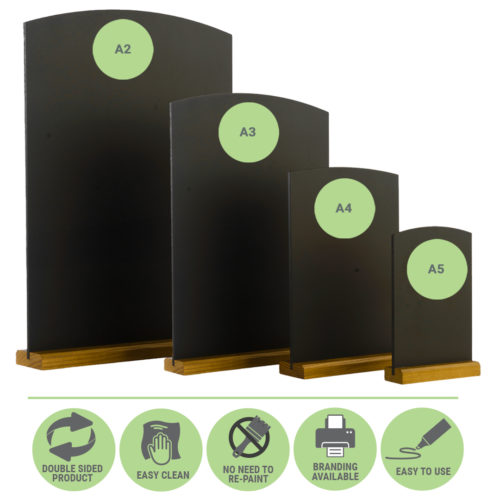
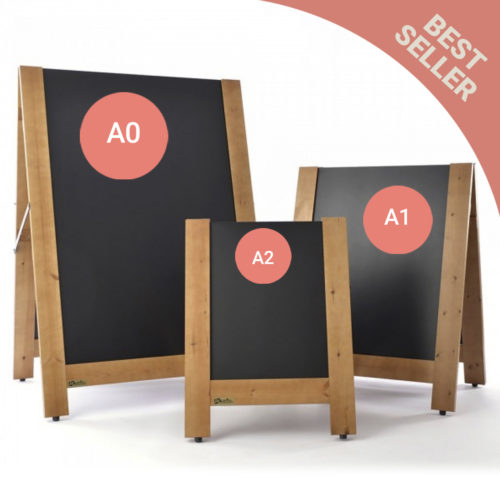
Custom-shaped blackboards are useful if you have a short frontage or an awkward recess. A slim cut can reside in a narrow mews, while a curved top will clear a low window sill. Sizes range from standard sizes such as A2 (about 47 × 67 cm) and A1 (58 × 88 cm), all the way up to oddball or entirely bespoke sizes.
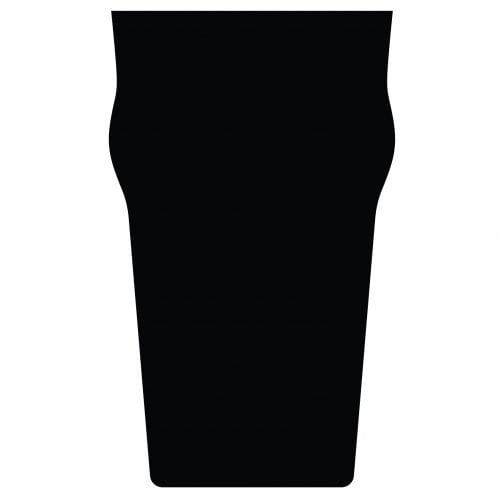
Alternative designs provide standout without garish colour. Tope board profiles for a Brighton beach café, pint-glass outlines for a Shoreditch pub or dog-bone signs for a Leeds grooming shop. Use liquid chalk pens for clean lines, or chalk if you’re after a soft, handwritten feel (remember chalk dust is a thing outside, and near food service).
You can combine a plain panel with custom cut-outs as well. We can include arrows, (speech bubbles?) or a logo silhouette as a header. Seasonal sets work well: hearts for Valentine’s, shamrocks for St Patrick’s, pumpkins for Halloween, trees for Christmas. Waterproof chalkboards, or boards that become waterproof after an hour or so, reduce the risk of ghosting post-rain.
Branded Frames
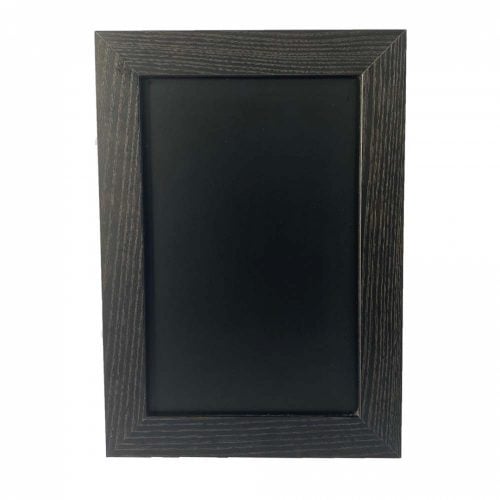
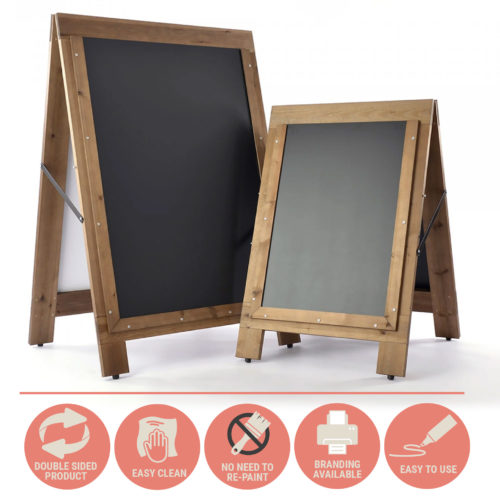
Frame branding develops recall on frenetic high streets. Slap your logomark on the header rail, match RAL paint to your palette, or a stained timber tone that harmonises with your interior joinery. Wood grain metal frames work well on sites that require a certain amount of impact resistance, whilst painted hardwood offers that rustic, natural vibe so many coffee shops desire.
For an upscale appearance, opt for deluxe thumb-mitred frames, heavy-duty hinges and PEFC-certified timber where you need a sustainability story. Solid wood plus non-removable MDF back panels bring the heft. Match the frame style to hanging signs, window vinyls and menu cases to maintain a single visual thread across touchpoints.
Integrated Features
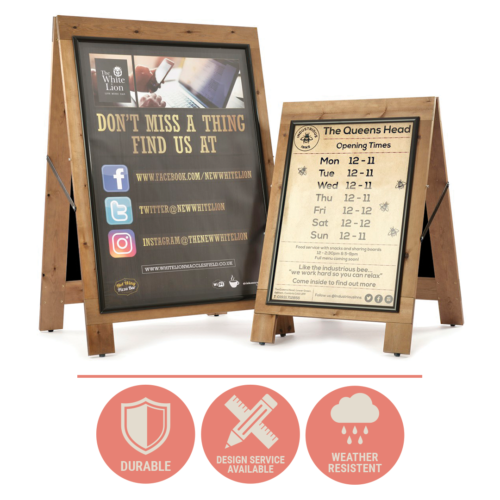
Include snap poster holders to display a daily deal beside your chalk-art. Menu clips and detachable panels allow you to switch lunch for dinner service in seconds. Reversible chalkboard panels double your message space – write both sides in the prep area, flip on the street when trade shifts.
Public footpath? Add a security chain point or ‘ninja lock’s to prevent walk-offs. Wind-tested A-boards, validated at more than 80 mph, assist in windswept coastal towns and station approaches. Pick angle-adjustable easels to minimise glare and enhance legibility in low winter sun. Swap pastel chalk pens for speedy, non-smudging updates or go old-school with chalk for rapid doodle notes, keeping a cloth close by for the dust.


Conclusion
Outdoor chalkboard signs still do their bit on a bustling UK high street. Clear lines, bold type and tidy space add tempo to the message. Weatherproof boards, sealed edges, and UV pens survive rain, wind and bright sunshine. A quick wipe, dry cloth and weekly check keep the board crisp. Clever adjustments aid in winter. High contrast, thicker lines, stable base with rubber feet.
To pull in footfall, position the board close to the desire path, at eye level, 2–3 metres from the door. Rotate your offers by time of day. Think lunch deal at 12:00, coffee at 15:30. Include a QR code for click-throughs. Have a good set-up – or test? Send me a note – let’s swap tips!
Frequently Asked Questions
What makes a chalkboard truly weatherproof in the UK?
Seek marine-grade ply or aluminum, UV-stable laminate, and rust resistant fittings. Frames sealed, edges capped. A rubber/silicone gasket helps keep rainwater and muck out. These withstand the rain, wind, and temperature swings prevalent throughout the UK.
Will chalk markers run in British rain?
Not if you use weatherproof liquid chalk pens on a treated surface. Resist your urge to use a Sharpie. Go for oil- or water-resistant markers which are rated for outdoor use. Leave to cure before exposure. For heavy rainfall, employ a rain hood or clear acrylic cover for additional protection.
How do I design a sign that stops passers-by?
Opt for a bold headline, high contrast and big letters (50-75mm high). 3. Keep copy concise Include a strong call-to-action. Position the key information at eye level. Seasonal promotions and local cues increase relevance and engagement.
Where should I place my A-board for maximum footfall?
Put it in your boundary, staring across at foot traffic (or traffic, full stop). Maintain 1.2m clearance for pedestrians. Angle towards the snappiest flow and nearest crossings. Watch out for trip hazards. Of course, check local council rules on pavement advertising.
How do I clean and maintain an outdoor chalkboard?
Wipe once a day with a damp microfibre cloth. Deep clean it once a week with a diluted mix of water and white vinegar. Steer clear of abrasives. Annual re-sealing of timber frames. Tighten hinges and replace rubber feet where necessary. Bring inside in storms.
Can I use real chalk or are liquid markers better?
Both do. ‘Real chalk is fast and evocative, but smudges readily. Liquid chalk markers provide more defined lines, richer colour and enhanced weather-proofing. For outdoor boards in the UK, sealed board with waterproof liquid markers work the best.
What alternatives exist beyond standard A-boards?
Think wall-mounted chalkboards, hanging pavement signs, swing signs, chalk panel menu cases or magnetic chalkboard inserts. For narrow pavements, opt for rail-mounted or window-facing boards to grab attention without obstructing footways.
